

Tora and Art Foundation
× Bien En Place
Paris · Group exhibition · 2026
© ORLAN
19–31 October 2026
The Wings
of Peace
Guerre et Paix
- Curator
- Jean-Baptiste Chantoiseau
- Production
- Sarah Vinitz
Elena Volnykh
- Coordination
- Raphaël Chantoiseau
- Visit
- 11 a.m.–7 p.m.
84 rue de Turenne, Paris
The Wings of Peace
Vers la paix perpétu-aile(s)
Presented in Paris alongside Art Basel Paris 2026, the group exhibition The Wings of Peace / Vers la paix perpétu-aile(s) brings together ORLAN, Esther Ferrer, Oleg Kulik, Léa Le Bricomte and Émeric Lhuisset. Against a backdrop of international conflict, ORLAN invites four artists whose practices question the contemporary world, raise awareness and engage individual responsibility.
Art as a meeting place
for people, experiences
and ideas
© Léa Le Bricomte
01 / The project
A space for dialogue
Curated by Jean-Baptiste Chantoiseau, the exhibition explores conflict, power, violence, individual freedom and responsibility. Performance, photography, sculpture and conceptual practices offer different perspectives on contemporary political and social realities. The body, memory, the symbols of war and political imagery become ways of examining these realities and the relationships that shape them.
The diversity of the works preserves space for individual expression, differing viewpoints and dialogue. Each artist offers a distinct perspective without imposing a single interpretation. Visitors are invited to develop their own reading of the exhibition and to consider the relationship between artistic creation and collective awareness.
Organised by Tora and Art Foundation and the French cultural platform Bien En Place, the project affirms art as a meeting place for people, experiences and ideas. It supports exchange across artistic practices, cultures and sensibilities, alongside the development of independent cultural initiatives. The Foundation participates as an initiating cultural partner, bringing internationally recognised artists together in a shared space of expression and communication.
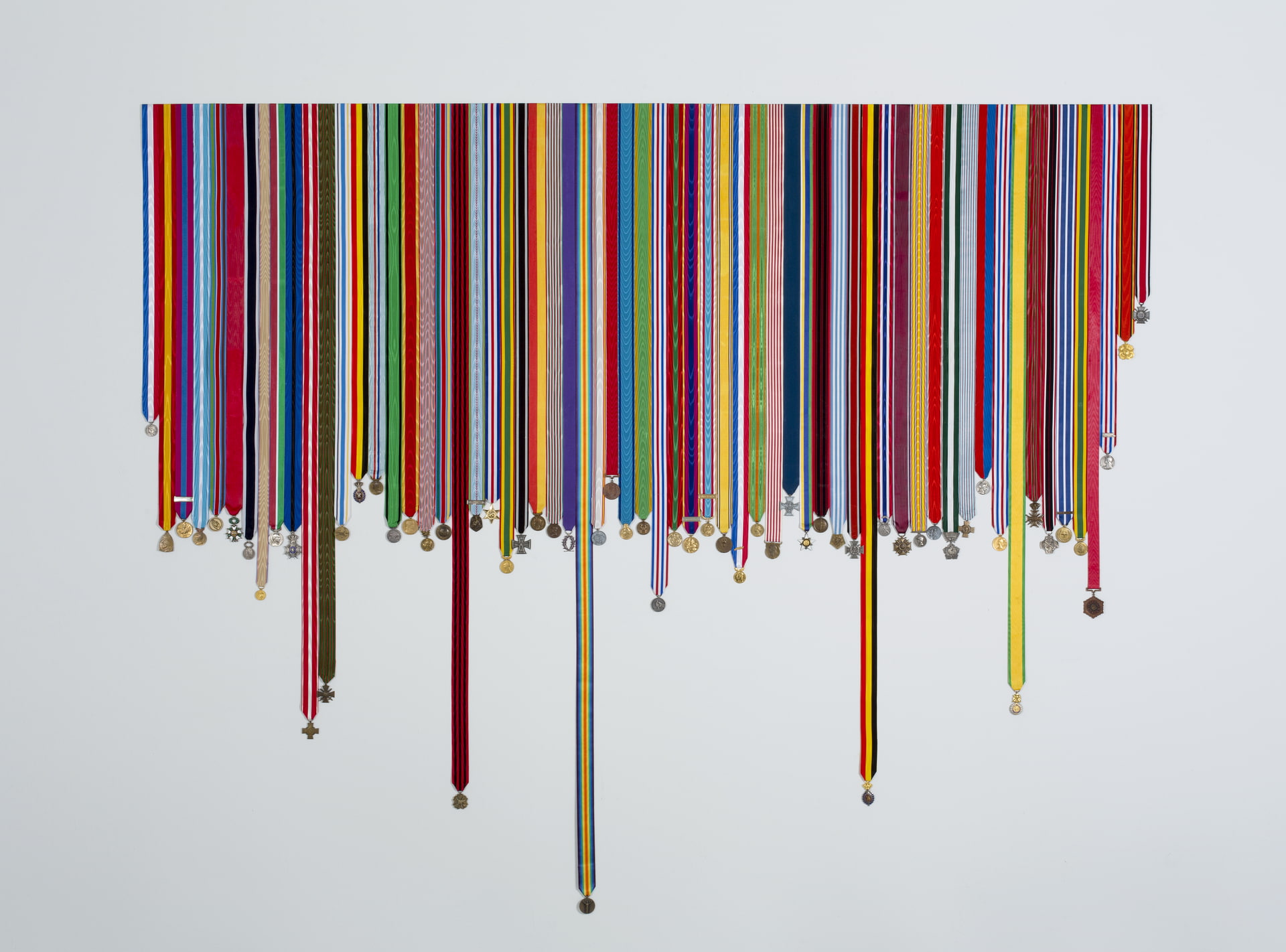
© Léa Le Bricomte
The artists
Five distinct perspectives
01 / 05 · The artists
ORLAN
Body, identity and performance

A major figure in body art and performance, ORLAN has questioned representations of the body and identity since the 1960s. Her practice brings together performance, photography, sculpture and video, as well as artificial intelligence, robotics and biotechnology, to challenge social and political conventions.Website ↗Instagram ↗
02 / 05 · The artists
Esther Ferrer
Play, power and responsibility

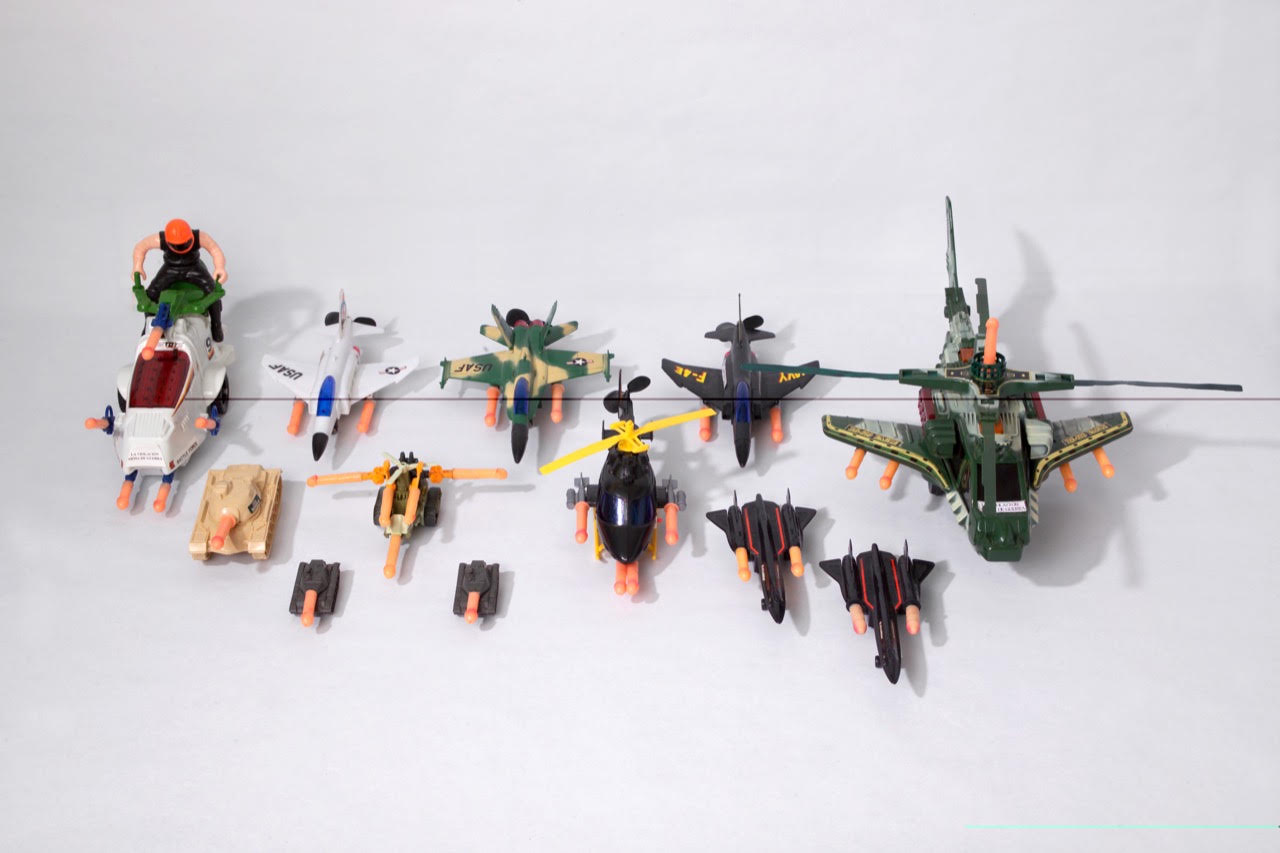
Esther Ferrer examines relationships between play, education, violence and collective responsibility. Her approach brings familiar associations into contact with unsettling questions about power. By reworking the imagery of weapons, she invites reflection on how responsibility is exercised and on the consequences of decisions entrusted to those who lead.Website ↗
03 / 05 · The artists
Oleg Kulik
Performance and human animality

A major figure in Moscow Actionism of the 1990s, Oleg Kulik combines performance, photography and sculpture. He is particularly known for radical performances in which he assumed an animal persona. His practice examines the relationship between human beings and animality, bringing that boundary into question through performance.Gallery profile ↗
04 / 05 · The artists
Léa Le Bricomte
Transforming symbols of conflict

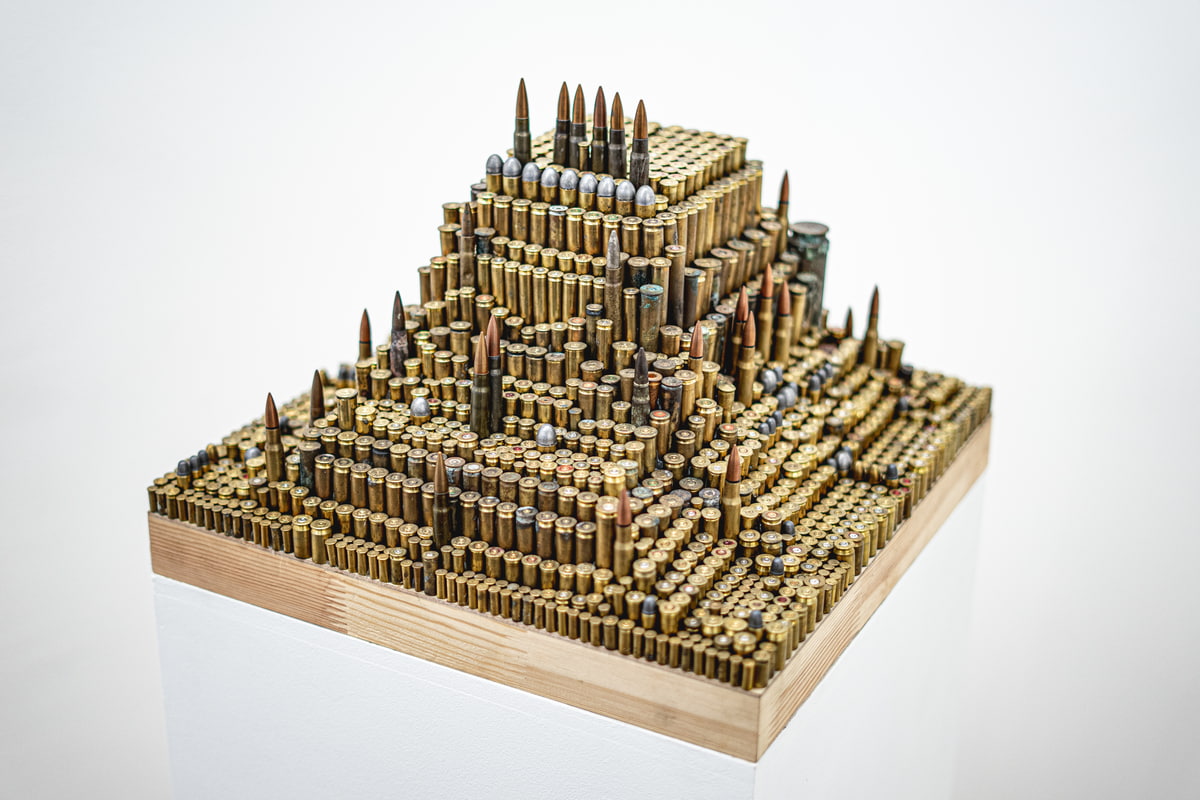
Léa Le Bricomte has long worked with the materials and symbols of war, transforming their original functions. Her practice moves military objects into different contexts and gives them new meanings. Through artistic intervention, she invites reflection on the transformation of military symbols and on the possibility of a first step towards peace.Gallery profile ↗
05 / 05 · The artists
Émeric Lhuisset
Conflict, memory and representation

Émeric Lhuisset develops an engaged practice focused on conflict and collective memory. For many years, he has worked in high-risk environments, including Iraq, Afghanistan, Syria, Ukraine, Colombia and Kurdistan. His practice examines how communities affected by war can reclaim narratives often constructed from outside. Images become a means of approaching lived experience, preserving memory and enabling those communities to express their own perspectives.Website ↗Instagram ↗
Press
Publications about the event



03 / In Paris
Plan your visit
- When
- 19–31 October 2026
11 a.m.–7 p.m.
- Where
- 84 rue de Turenne
75003 Paris, France View on map
Producer’s Manifesto
Sarah Vinitz
Art crosses borders,
languages, political systems
and identities
We live at a time when wars, armed conflicts, social inequality and growing intolerance shape the everyday horizon. In such a world, peace becomes both an urgent necessity and a shared human aspiration.
For me, peace begins with the recognition of human dignity. It lives in our capacity to accept difference, to remain open to dialogue, and to recognize ourselves in another person — across cultures, languages, beliefs and experiences. In its deepest sense, this recognition elevates the human being and brings us closer to our highest purpose: through compassion, responsibility and creation, to become a reflection of the Divine.
The artists brought together in this exhibition approach the realities of our time from profoundly different positions. Their works can be provocative, disturbing, poetic or confrontational. This plurality is essential to the project. Through different generations, experiences and artistic languages, they address war and peace as interconnected conditions of contemporary life.
At a moment when armed conflicts are unfolding across many parts of the world, art gives us a space to confront violence while keeping another horizon visible. The exhibition speaks about war in order to search for peace.
Its purpose is to awaken our capacity for connection: to find a common language across difference, to restore sensitivity where indifference has taken hold, and to imagine coexistence where division appears inevitable.
I believe this is one of art’s extraordinary powers. Art crosses borders, languages, political systems and identities. It can reach a person before nationality, passport, ideology or social category defines them in our eyes. With this freedom comes responsibility: the possibility of transforming the way we see one another.
Art can reveal the value of peace through images of violence, restore the meaning of compassion by confronting cruelty, and affirm human dignity by showing its fragility. Even its most provocative gestures can become an invitation to awareness.
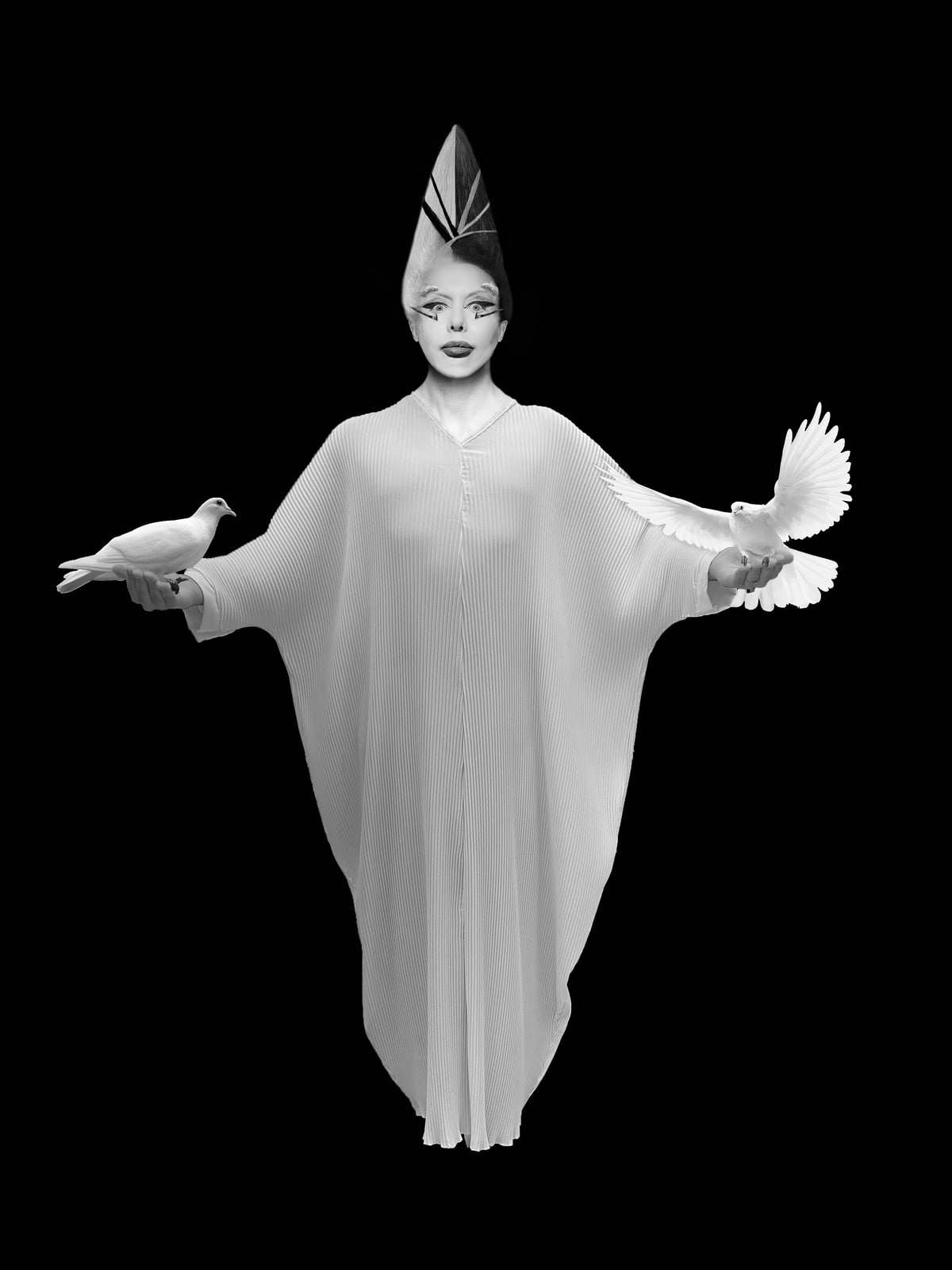
In this context, ORLAN’s doves acquire a particular significance. Emerging from her idea of paix perpétu-aile(s), they give wings to an aspiration shared far beyond the exhibition itself.
I would like to imagine these doves flying out into the world — carrying with them a simple proposition: that despite everything that separates us, we remain capable of recognizing one another, of finding a common language, and of choosing peace.
Art can preserve our capacity to imagine peace — and awaken our desire to create it together.
In collaboration
About Bien En Place
Bien En Place is a French cultural and creative blog established by an association dedicated to art, cinema, literature, and education. The project was founded and is primarily led by Jean-Baptiste Chantoiseau and Raphaël Chantoiseau.
Visit Bien En Place ↗